

About This Project
In 2013, there were few public platforms where El Salvador's disappeared children, over 1,000 kids forcibly separated from their families during the country's civil war, could tell their stories in their own words. Many lacked the technical expertise or resources to share their experiences publicly. So my collaborator John Younger and I created one.
Inside the Journey was a podcast that ran for three years and 86 episodes, giving disappeared children and El Salvador advocates a platform to discuss the war, forced disappearances, and ongoing search efforts. We interviewed fellow adoptees sharing their reunion stories, my own family members reflecting on the war's impact, and high-profile figures such as U.S. Representative Jim McGovern, Professor Aviva Chomsky, and Dr. Angelina Snodgrass Godoy.
The podcast has been downloaded over 7,000 times and remains one of the few public forums where disappeared children have shared their experiences. Beyond giving voice to these stories, the project taught me how to build and manage a complete podcast infrastructure from scratch. I learned how to do everything from setting up a VPS and configuring WordPress to managing RSS feeds, editing episodes, and coordinating guest schedules across multiple time zones.
The Challenge
When John and I started working on our documentary film about El Salvador's disappeared children in 2010, we quickly realized we didn't fully understand the country's complicated history. We had compelling footage from our trip to El Salvador, but we were struggling to create a coherent narrative.
Around the same time, I attended an event where Seth Godin spoke about living in a connection-based economy that rewards vulnerability and regular public engagement. He explained that if you consistently find ways to be vulnerable in public, you can build an audience and create meaningful connections.
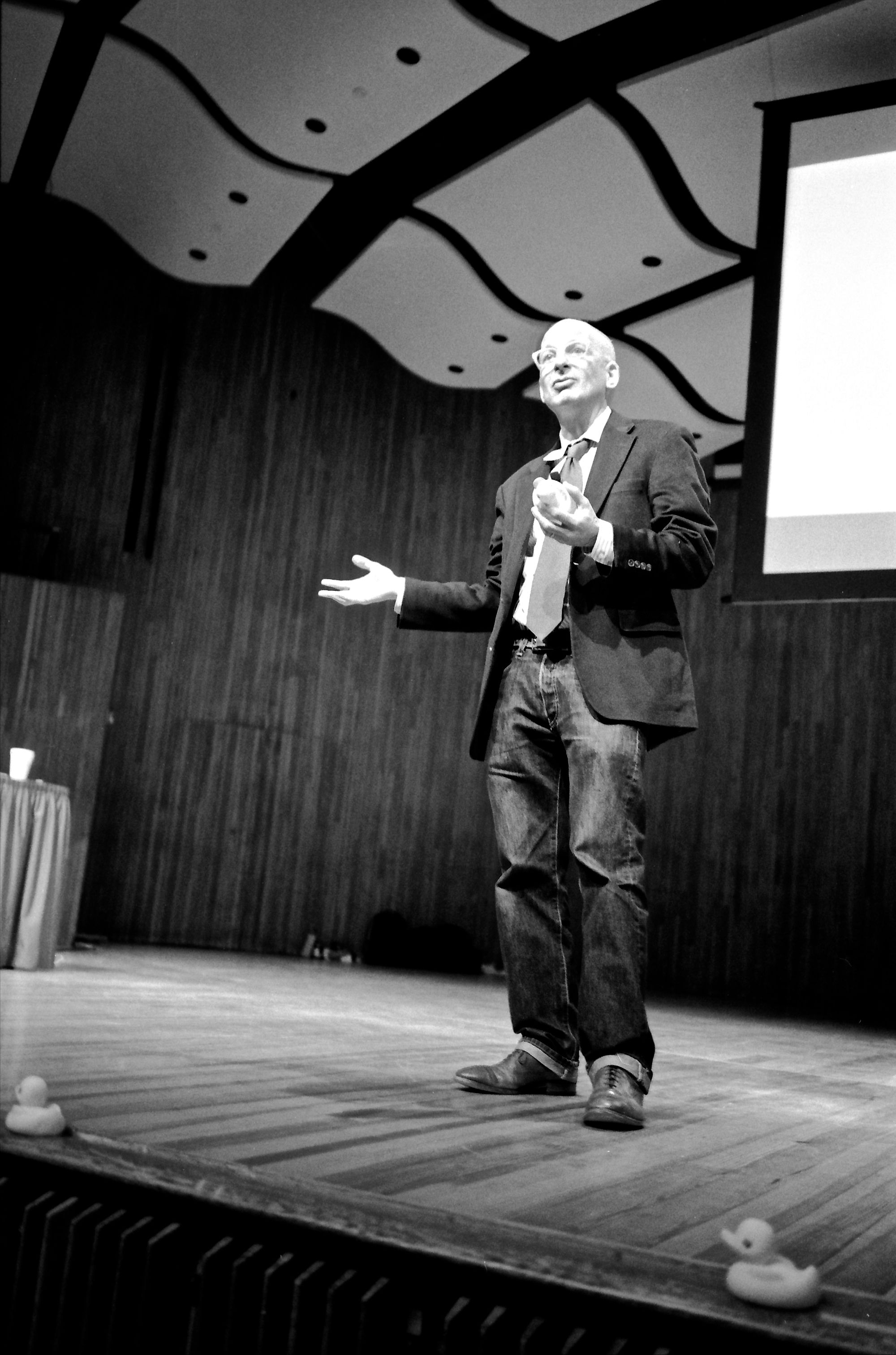
That's when it clicked: What if we started a podcast to interview people who knew more about El Salvador's history than we did? We could work through our ideas for the film while simultaneously creating a platform for disappeared children and advocates to share their stories. Neither of us had ever produced a podcast before, but the potential seemed worth the learning curve.
The challenge wasn't just technical; we also had to learn to record, edit, and distribute a podcast. It was also about creating a space where people felt safe discussing deeply traumatic experiences, coordinating schedules with high-profile guests, and sustaining the project over the years while both of us juggled other work.
My Approach
Building the Infrastructure
I spent several months learning everything involved in podcast production. I set up a private VPS (Virtual Private Server) to host the podcast, configured WordPress to manage our content and episode listings, and figured out how RSS feeds work so we could distribute episodes to iTunes and other platforms. I learned audio editing and produced many of the episodes myself.
My efforts weren't just about getting something working; they were about creating reliable infrastructure that could sustain 86 episodes over three years. I needed systems for managing guest outreach and scheduling, episode planning with John as co-host, audio production workflows, and publication processes that wouldn't break down over time.
Creating Space for Difficult Conversations
The technical infrastructure was only half the challenge. Many of our guests were sharing deeply personal, often painful stories about war, forced separation, and decades-long searches for lost family members. Creating a space where people felt comfortable being vulnerable required thought and care.
Some interviews were especially challenging. Episode 83 with anthropologist Philippe Bourgois, who witnessed the war firsthand, was deeply moving and upsetting—his descriptions of what he saw forced me to confront the reality of the violence in ways I hadn't before. These weren't just research interviews; they were people processing trauma and loss in public.
Landing High-Profile Guests
While giving disappeared children a platform was our primary mission, we also wanted to interview people who could provide historical and political context. Getting U.S. Representative Jim McGovern to sit down for an hour-long conversation about the Moakley Report and U.S. involvement in El Salvador required coordination and persistence, but he was incredibly generous with his time. Professors Aviva Chomsky and Angelina Snodgrass Godoy helped us understand the broader context of migration and human rights advocacy.
Sustaining the Project
Neither John nor I could work on the podcast full-time, as we both had other projects and responsibilities. Keeping the podcast running consistently for three years required systems and discipline. I developed workflows for episode planning, guest coordination, recording sessions, editing, and publication that made the work manageable even when time was limited.
The Results
Over three years, we produced 86 episodes that have been downloaded over 7,000 times. The podcast gave disappeared children a rare public platform to tell their stories in their own words—something many of them didn't have the technical skills or resources to create themselves. To this day, our podcast remains one of the few public forums where these stories have been shared.
Some episodes directly contributed to our documentary film. Our interview with historian Ralph Sprenkels about the origins of Pro-Búsqueda (the organization that searches for disappeared children) provided invaluable insights that became an important part of the film's narrative. My interview with Philippe Bourgois shaped how I understood the war's human cost, in ways that influenced both the film and my novel.
The podcast also created community. Listeners engaged with our work, shared their own stories, and connected with each other around their experiences. Most importantly, it built awareness and interest in the issue of disappeared children.
What I Learned
Technical project management: Building and maintaining podcast infrastructure taught me how to manage complex technical systems over long timeframes. Setting up VPS hosting, configuring WordPress for podcast distribution, managing RSS feeds, and creating sustainable production workflows—these skills transferred directly to other web projects I've worked on since.
Production systems: I learned to build systems that support creative work, including managing guest coordination, episode planning, editing workflows, and publication schedules. Without these systems, we never would have reached 86 episodes.
The power of creating platforms: The most meaningful impact wasn't the 7,000 downloads—it was knowing we'd created space for stories that otherwise wouldn't have been told publicly. Technical skills become most valuable when you use them to amplify voices that don't have platforms of their own.
How to hold space for difficult conversations: Not every skill is technical. Learning to interview people about trauma, to listen without imposing my own narrative, and to create an environment where vulnerability felt safe—these were skills I developed through practice and sometimes painful missteps.
The podcast ended in 2016, but the episodes remain available as a resource for anyone interested in El Salvador's disappeared children.
